Three Coronados, and they are not interchangeable
People say “Coronado” as though it were one place. For a downsizer it is three, with different housing, different monthly costs, and different daily lives. Getting this wrong is the most common expensive mistake I see on the island.
The Village is the walkable core — Orange Avenue, the beach, the Hotel del. Housing runs from Craftsman bungalows and early-century cottages to newer infill condos and townhomes. It has the widest spread of anything on the island, and the most fragmented HOA picture: some properties carry no association at all, others run several hundred dollars a month, a few considerably more. If your reason for moving is that you want to walk to dinner, this is the answer.
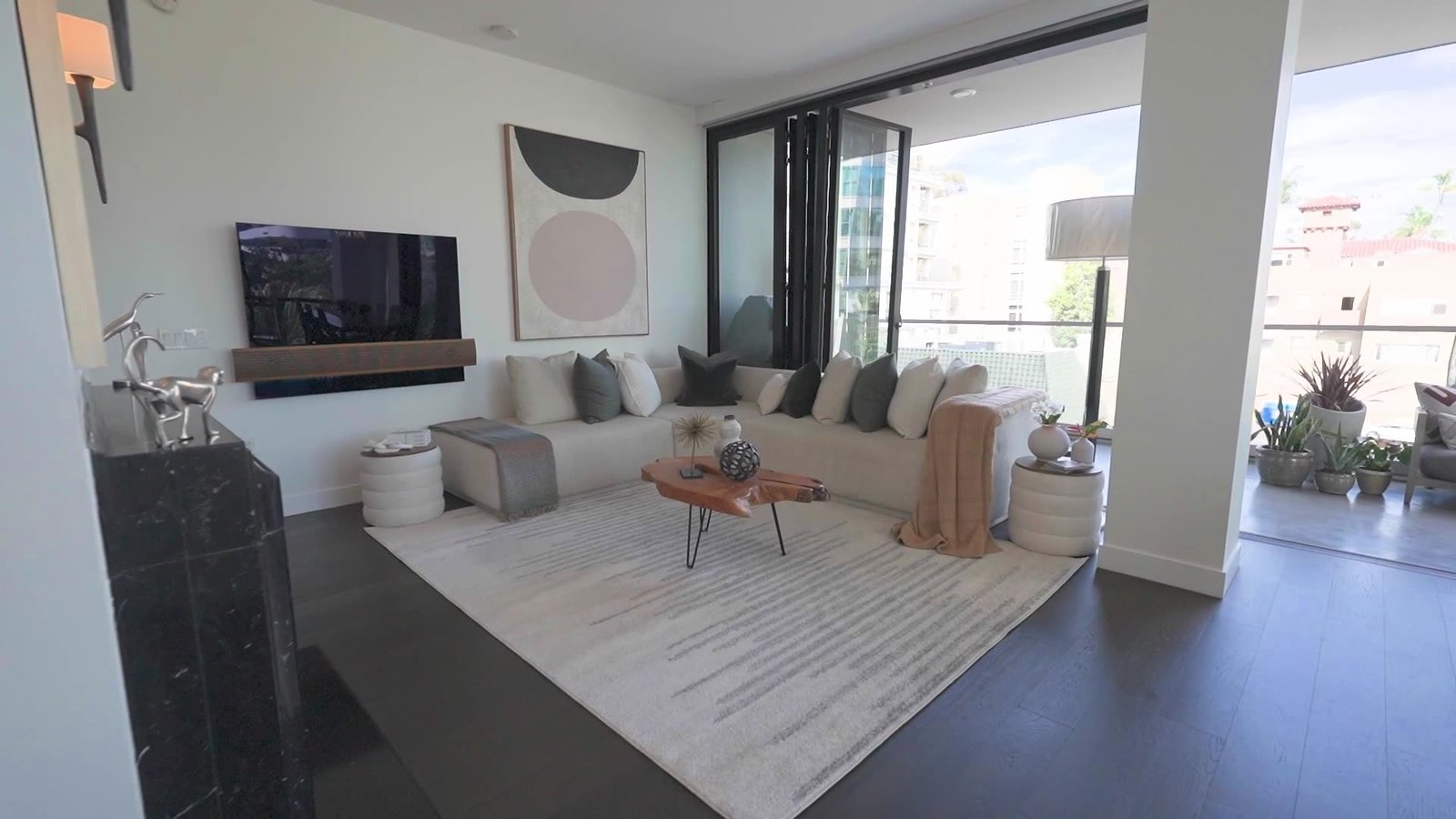
The Coronado Shores is ten oceanfront towers, roughly fifteen to seventeen stories, holding about 1,500 units between them, sitting on close to 1,800 feet of beach. Four beachfront pools, a beach club, a health club, tennis and pickleball, and round-the-clock security. Each tower runs its own association under a master association. This is the purest lock-and-leave product in San Diego County — and the dues reflect it, commonly quoted from around a thousand dollars a month into the two-thousands depending on the tower and the unit. That number is not a red flag by itself. It replaces a gardener, a roof, a pool service, insurance, and a security system. The question is whether the reserves behind it are funded.
The Cays is a planned marina community of roughly 1,200 condos, townhomes, and custom homes with more than 600 boat slips — the only residential marina community on the California coast south of Newport Beach. Dues differ sharply between detached and attached property, and waterfront homes carry an extra layer of architectural and dock approval. It is quieter and more private than the Village, and it is a car ride from Orange Avenue rather than a walk.
What the island actually solves
Coronado is flat. That sounds trivial until you have spent a decade in a hillside house with a staircase you have started planning around. Flat, compact, and dense enough that groceries, a doctor, a restaurant, and the sand are all inside a short walk or a golf-cart ride.
It also has its own hospital. Sharp Coronado is on the island, which means routine care does not require crossing the bridge. For buyers in their sixties and seventies weighing a move to a place with a bridge between them and a major medical center, that matters more than any view.
The honest tradeoffs
- The bridge is real. Getting off the island at rush hour takes what it takes, and there is exactly one road plus a ferry. Most residents adapt by simply not leaving much — which is either the appeal or the problem, depending on the person.
- Summer belongs to visitors. The Village in August is not the Village in February. Spend a weekend in peak season before committing.
- Inventory is thin and turnover is slow. Waiting for the right floor plan in the right tower can take a year, which is an argument for starting the conversation early rather than when your current home is already listed.
- Older buildings carry deferred maintenance risk. The reserve study and the last three years of HOA minutes tell you more about your future costs than the listing ever will.
On any Coronado attached property I pull the reserve study, the last twelve months of board minutes, and the current special assessment history before we talk price. A tower with thin reserves and an aging envelope is a future assessment with a date on it, and that belongs in the negotiation rather than in a surprise letter two years after closing.